

The waters off Southern California are an economic engine, packed with commercial fishing trawlers, tugboats, shipping vessels, and heavy naval activity. But for the crewmembers, longshoremen, and harbor workers who keep San Diego Bay moving, the sea is as dangerous as it is productive. A single mechanical failure, rogue wave, or supervisor’s oversight can lead to catastrophic injuries that threaten your livelihood.
If you have been hurt working on the water, standard California workers’ compensation laws likely do not apply to you. Instead, your injuries fall under federal general maritime law and unique statutory legal systems designed specifically to protect mariners. Navigating these complex waters requires an experienced San Diego boat accident lawyer who knows how to hold large shipping companies and vessel owners accountable.
What is the Jones Act?
The Jones Act (46 U.S.C. § 30104) is a federal law that provides vital legal protections for qualifying offshore workers who are injured due to employer negligence while working at sea. Under this act, a seaman has the right to bring a personal injury lawsuit against their employer to recover damages for medical expenses, lost wages, and pain and suffering. To learn more about who qualifies as a seaman, check out the Cornell Law School Legal Information Institute Guide on the Jones Act.
To successfully file a claim under the Jones Act, you must satisfy the legal criteria of a seaman. This generally means you must be assigned to a vessel “in navigation” and your duties must contribute directly to the vessel’s mission. Whether you work on a commercial tuna boat operating out of Point Loma or a barge in San Diego Harbor, establishing your status as a seaman is the critical first step toward securing your recovery under the Jones Act, which includes full damages for pain and suffering.
Understanding Your Rights Under Federal Maritime Law
When an offshore worker suffers an injury on a commercial vessel, multiple avenues of financial recovery may become available under federal law. Unlike a typical land-based personal injury lawsuit, maritime injury claims do not require you to prove absolute fault before receiving basic medical support. Under the foundational principle of maintenance and cure, an injured seaman is automatically entitled to have their basic living expenses and necessary medical care covered by the employer until they reach maximum medical improvement.
If your injury was caused by unsafe conditions on a vessel, you may also bring an unseaworthiness claim. A shipowner has an absolute, non-delegable duty to provide a vessel that is reasonably fit for its intended use. This means that defective equipment, poorly or inadequately trained crewmembers, missing safety guards, or oily decks can make a ship legally “unseaworthy,” giving an experienced San Diego boat accident lawyer the leverage needed to seek complete financial compensation for your losses.
 Protecting Longshoremen and Harbor Workers in Southern California
 Protecting Longshoremen and Harbor Workers in Southern California
Not every maritime employee works out at sea. Thousands of dedicated Southern California laborers work on the docks, shipyards, and piers of San Diego Bay. If you are a traditional land-based maritime worker, your legal protections are likely governed by the Longshore and Harbor Workers’ Compensation Act (LHWCA). The LHWCA provides structured medical benefits, disability compensation, and vocational rehabilitation to individuals injured while loading, unloading, repairing, or building vessels along the navigable waters of the United States.
What to Do Immediately Following an Injury at Sea
The actions you take immediately following an onboard accident will directly impact the success of your legal claim. If you are hurt on a commercial boat or offshore structure, prioritize these crucial steps:
- Report the Injury Immediately: Notify your captain, mate, or supervisor right away. Ensure that an official entry is made in the ship’s logbook.
- Seek Independent Medical Care: You have the legal right to see a physician of your own choosing within reason. Do not let your employer force you into using a company-aligned doctor.
- Document everything: Take clear photographs of the accident scene, any faulty equipment involved, and your physical injuries. Obtain contact info from eyewitnesses.
- Avoid Signing Early Statements: Maritime employers and insurance adjusters frequently try to take recorded statements early on to minimize their financial liability. Consult a professional attorney before signing any waivers.
Why You Need a Dedicated Maritime Injury Firm
General personal injury law firms that primarily handle car accidents are rarely equipped to manage the intricate nuances of admiralty and maritime law. Filing a lawsuit under the Jones Act or the LHWCA requires a deep working knowledge of federal court procedures, specialized statutes of limitations, and standard maritime industry practices. Shipping companies retain aggressive legal teams to defend their bottom lines; you deserve an equally powerful advocate to stand up for your recovery.
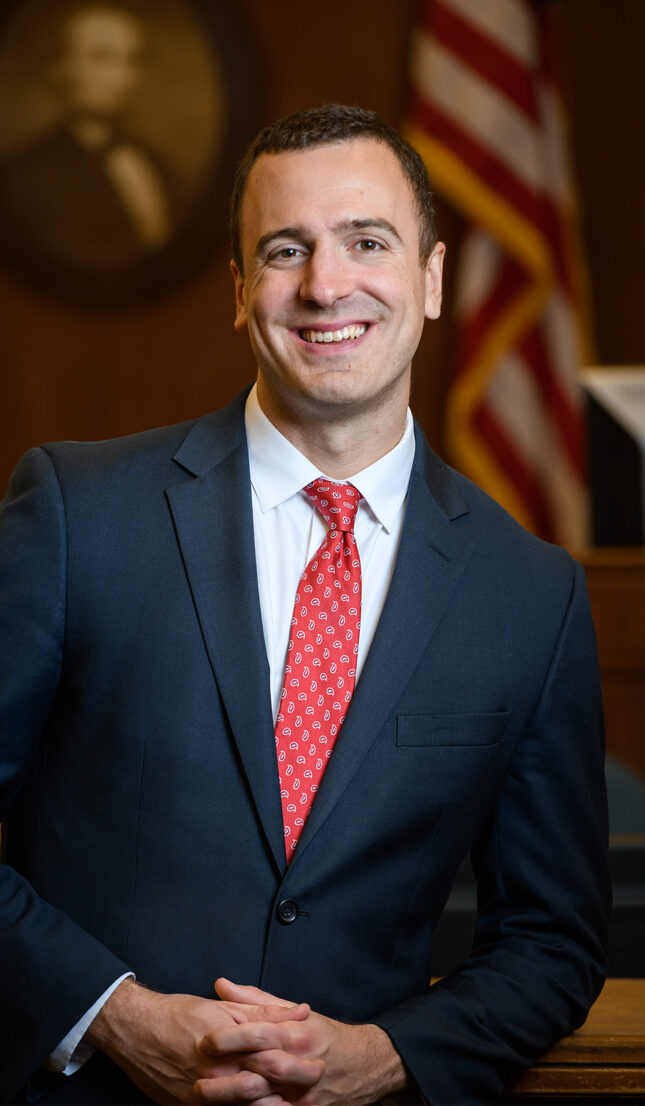
At BoatLaw LLP, our attorneys share a lifelong love of the sea and have decades of experience fighting on behalf of injured mariners. We understand the blue-collar realities of commercial fishing, tugboat operations, and shipyard labor. Because we operate strictly on a contingency fee basis, you will never owe any upfront legal fees or out-of-pocket costs unless we successfully secure a settlement or courtroom verdict on your behalf. Call 1-800-BOATLAW today for a free review of your case. If our attorneys determine that BoatLaw may be able to assist you, a member of our legal team will reach out shortly to schedule a free, no-obligation consultation with an experienced maritime attorney.
Legal Disclaimer
The information provided is for educational and informational purposes only. The information on this website is not intended as legal advice and should not be used as a substitute for consulting a licensed attorney. Legal outcomes and laws can vary by jurisdiction, and only a qualified lawyer can provide guidance tailored to your situation.

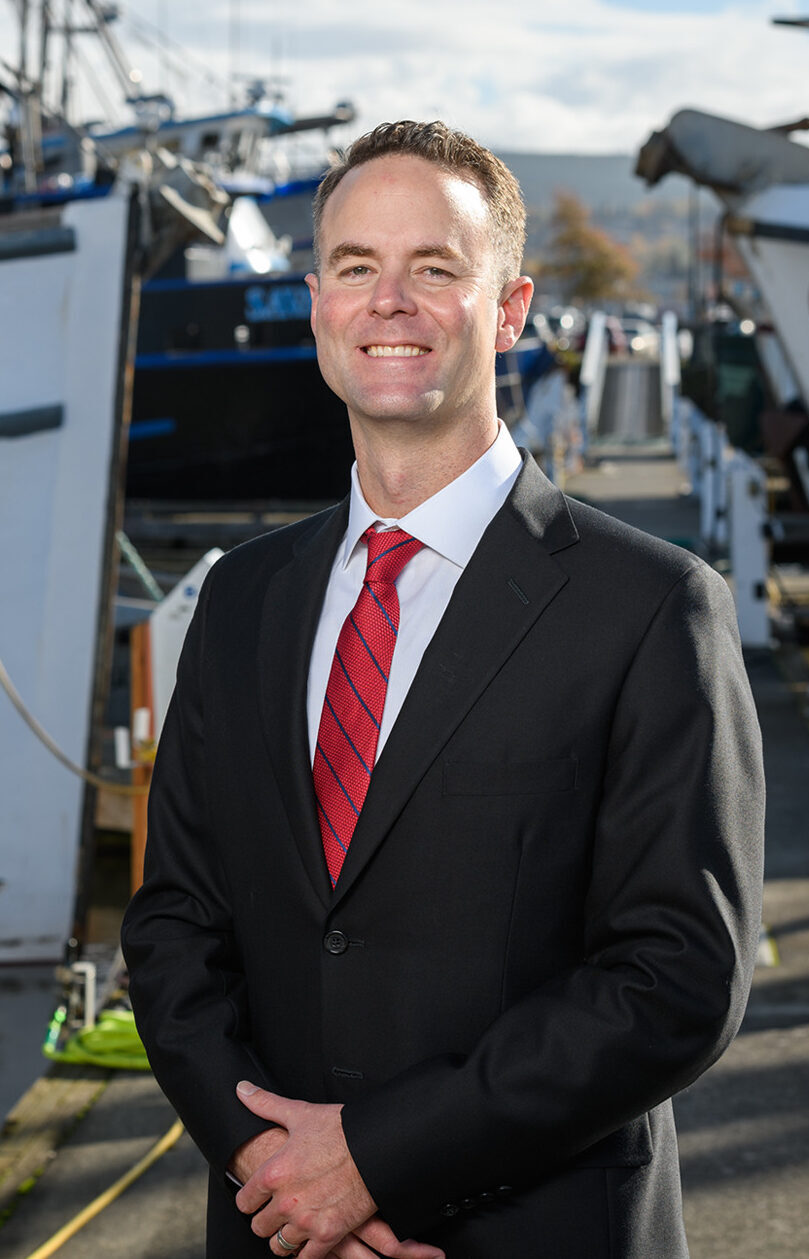
Douglas R. Williams was raised in a military family. After retiring from the armed forces, his father sailed as the chief medical officer with many of the most popular cruise lines, including Holland America Line, Carnival Cruise Line, Disney Cruise Line, and Norwegian Cruise Line. When not in school, Doug spent a good part of his youth in the crew quarters sailing with his father on cruise ships. He developed a practical knowledge of the maritime industry from a young age. Learn More here.