

Recreational boating accidents can lead to serious injuries, costly damages, and even fatalities. Determining who is liable in these situations is crucial for securing compensation and ensuring justice. If you’ve been involved in a boat crash, understanding boating accident liability is essential for taking the right legal steps.
Knowing your rights and the responsibilities of others on the water can make a significant difference in the outcome of your case, especially when dealing with complex insurance claims and maritime regulations.
Understanding Boat Accident Liability
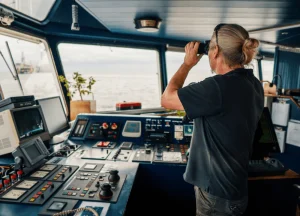
Liability after a recreational boating accident depends on several factors, including the cause of the accident, operator behavior, weather conditions, and whether maritime laws apply. Typically, liability falls on the boat operator, but passengers, rental companies, and even manufacturers can also be held accountable depending on the circumstances.
In some cases, poor maintenance, inadequate safety equipment, or failure to follow navigation rules can also shift or share liability. Each boating accident is unique, so a thorough investigation is often necessary to determine fault and pursue appropriate legal action.
When Is the Boat Operator Liable?
The majority of recreational boating accidents are caused by operator negligence. This includes speeding, inattention, operating under the influence, or failing to follow navigation rules. If an operator fails to act with reasonable care, they may be found at fault and held financially responsible for damages, including medical expenses, property repairs, lost wages, and pain and suffering experienced by victims of the accident.
Can Passengers or Third Parties Be Held Liable?
Yes, passengers can be liable if they interfere with the safe operation of the boat. For example, if a passenger pushes the operator or causes a distraction that leads to a crash, their actions could be considered negligent. In some cases, another vessel’s operator or a rental company that failed to maintain the boat may also share liability, especially if poor maintenance, faulty equipment, or lack of safety instructions contributed to the boating accident or increased the risk of injury.
The Role of a Maritime Attorney
Because boating accidents often involve federal admiralty laws, hiring a boat accident lawyer is critical. A skilled legal professional can help identify liable parties, navigate insurance claims, and pursue compensation under the appropriate jurisdiction. They can also gather vital evidence, consult with maritime experts, and represent you in negotiations or court proceedings, ensuring your rights are fully protected throughout the legal process and increasing your chances of a favorable outcome.
“Operator inattention, improper lookout, operator inexperience, and excessive speed are the top contributing factors in recreational boating accidents.” – U.S. Coast Guard
Steps to Take After a Recreational Boating Accident

Being in a boating accident can be overwhelming, but taking the right steps immediately can protect your health, legal rights, and potential compensation.
- Check for injuries and get medical help: Make sure everyone is safe. Even minor injuries should be treated, and call emergency services if needed.
- Report the accident: Notify local authorities and the U.S. Coast Guard, especially if there are injuries, deaths, or significant damage. This creates an official record for insurance or legal purposes.
- Gather evidence: Take photos of the scene, damage, and injuries. Collect names and contact details of those involved and any witnesses.
- Don’t admit fault: Avoid making statements that suggest blame. Liability should be determined through proper investigation.
- Contact a boat accident lawyer: A maritime attorney can guide you through legal processes, handle insurance matters, and protect your rights under boating accident liability laws.
These steps help ensure your safety and strengthen your case if you choose to pursue legal action.
How a Boat Accident Lawyer Can Help
A maritime attorney can evaluate your case, handle insurance negotiations, and represent you in court if needed. They understand the complex liability rules that apply on water, including those affecting commercial and recreational vessels.
Source: U.S. Coast Guard Boating Statistics
At BoatLaw, LLP, we understand how confusing and stressful a recreational boating accident can be. That’s why we’re here to help you navigate the legal process with clarity and confidence. From determining liability to fighting for the compensation you deserve, our experienced maritime attorneys are committed to protecting your rights every step of the way. Let us be your trusted legal partner on and off the water.
Legal Disclaimer
The information provided is for educational and informational purposes only. The information on this website is not intended as legal advice and should not be used as a substitute for consulting a licensed attorney. Legal outcomes and laws can vary by jurisdiction, and only a qualified lawyer can provide guidance tailored to your situation.

Nicholas J. Neidzwski is a trial attorney who handles maritime and personal injury litigation. Appearing for plaintiffs in state and federal courts throughout Washington, California, Oregon, Alaska, and other jurisdictions. Nick’s litigation experience includes the successful resolution of various Jones Act, general maritime, and product liability cases on behalf of many different individuals. Nick was named a Rising Star annually by Super Lawyers from 2016 through 2025, and was named a Super Lawyer in 2026. Learn more here.