


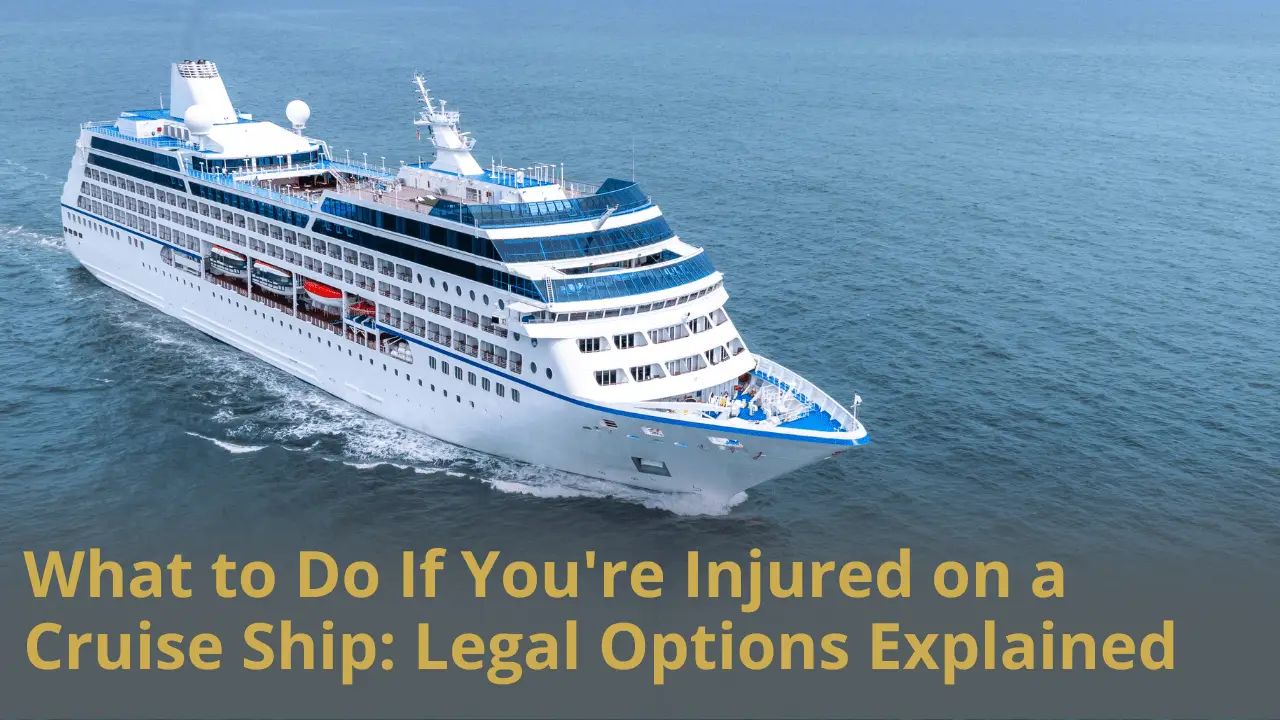
The sudden disruption of a vacation by an injury at sea is a frightening and confusing experience. If you or a loved one is hurt onboard a cruise ship, knowing the immediate steps to take and being well-appraised of your legal options is crucial for protecting both your health and any future claims. Below we explain what to do immediately following a cruise ship injury, how cruise ship liability works, and how an experienced cruise ship injury lawyer can help you navigate the process of obtaining fair compensation for your injuries.
Immediate Steps to Take After a Cruise Ship Injury
- Seek medical attention immediately. Seek care from the ship’s medical staff and insist that your injury be documented in the ship’s medical log.
- Report the incident in writing. Ask to file an incident/accident report and keep a copy or photograph of it.
- Collect evidence. Take photos of the scene, your injuries, and any hazardous conditions (wet floors, broken rail, faulty step).
- Collect witness contact info. Crew and fellow passengers who saw the incident are crucial witnesses.
- Preserve receipts and records. Keep medical bills, prescriptions, repair receipts, and any travel documentation.
Taking these steps immediately following an injury will strengthen any future claims you may bring. Many of these steps are also often required by cruise line procedures and ticket contracts. If you need help interpreting the cruise line’s paperwork, a cruise ship accident attorney can review your documents.
Who Is Liable for a Cruise Ship Injury?
Liability can arise from crew negligence, unsafe conditions, inadequate medical care, or defective equipment. Cruise lines often rely on complex ticket contract rules (e.g. choice-of-law clauses, short notice periods, or foreign forum clauses), so obtaining timely legal advice is critical. Federal agencies require reporting of serious illnesses or deaths on vessels entering U.S. ports, and ticket terms can drastically affect deadlines and venues for suit.
Typical legal theories used in cruise injury claims
- Negligence — breached duty of care by crew or ship operators.
- Failure to warn — hazardous condition not marked or corrected.
- Maintenance defects — broken or unsafe equipment that causes harm.
- Medical malpractice — inadequate shipboard medical treatment causing further injury.
Because of jurisdictional and contractual issues in cruise tickets, you should seek counsel experienced in maritime cruise law early. Deadlines to file suit can be short and often vary by contract and the applicable laws.
Common Types of Cruise Ship Accidents

Cruise ship injuries can occur in many ways, and identifying the cause of an injury is crucial for building a strong legal case. Some of the most common types of cruise ship accidents include:
- Slip and Falls: Wet decks, poor lighting, or improperly maintained flooring can cause serious falls resulting in broken bones or head injuries.
- Medical Negligence: Passengers may suffer harm if onboard medical staff provide inadequate treatment or delay necessary care.
- Foodborne Illness: Contaminated food or unsanitary conditions can lead to outbreaks of norovirus and other serious illnesses.
- Assault or Security Failures: Inadequate security measures may result in assaults, theft, or other crimes aboard the ship.
- Shore Excursion Accidents: Cruise lines may be liable for injuries sustained during excursions if negligence in planning, transport, or safety can be shown.
Understanding how these incidents occur can help passengers and their families recognize when it may be time to seek compensation through a cruise ship injury lawyer with significant experience in maritime law.
“Federal regulations mandate that before arrival, the person in charge of a conveyance destined for a U.S. port of entry must report to the CDC port health station of jurisdiction any death or ‘ill person’ among passengers or crew.” — CDC
How a Cruise Ship Injury Lawyer Can Help You
An experienced cruise ship injury lawyer will:
- Preserve and subpoena the ship’s logs, surveillance, maintenance records, and medical records.
- Coordinate medical experts to document injuries and causation.
- Assess the cruise line’s ticket contract and applicable deadlines.
- Negotiate with cruise line insurers or file suit in the proper forum.
At BoatLaw, LLP, we believe that taking timely action after a cruise ship injury is critical. If you need local representation or a firm with deep maritime experience, contact us today.
Quick Fact: The CDC reports that cruise ship medical and illness reporting remains a key safety measure. Dozens of gastrointestinal and respiratory outbreaks have been tracked on cruise vessels in recent years, highlighting the importance of prompt reporting and documentation after an onboard illness or injury.
Legal Disclaimer
The information provided is for educational and informational purposes only. The information on this website is not intended as legal advice and should not be used as a substitute for consulting a licensed attorney. Legal outcomes and laws can vary by jurisdiction, and only a qualified lawyer can provide guidance tailored to your situation.

Douglas R. Williams was raised in a military family. After retiring from the armed forces, his father sailed as the chief medical officer with many of the most popular cruise lines, including Holland America Line, Carnival Cruise Line, Disney Cruise Line, and Norwegian Cruise Line. When not in school, Doug spent a good part of his youth in the crew quarters sailing with his father on cruise ships. He developed a practical knowledge of the maritime industry from a young age. Learn More here.