

When people talk about workplace safety regulations, they often remark that those regulations are written in blood—they exist because people died without them. This is especially true in the maritime industry, which is one of the most dangerous fields in the world. Maritime safety violation attorneys fight for seamen injured in the course of their work.
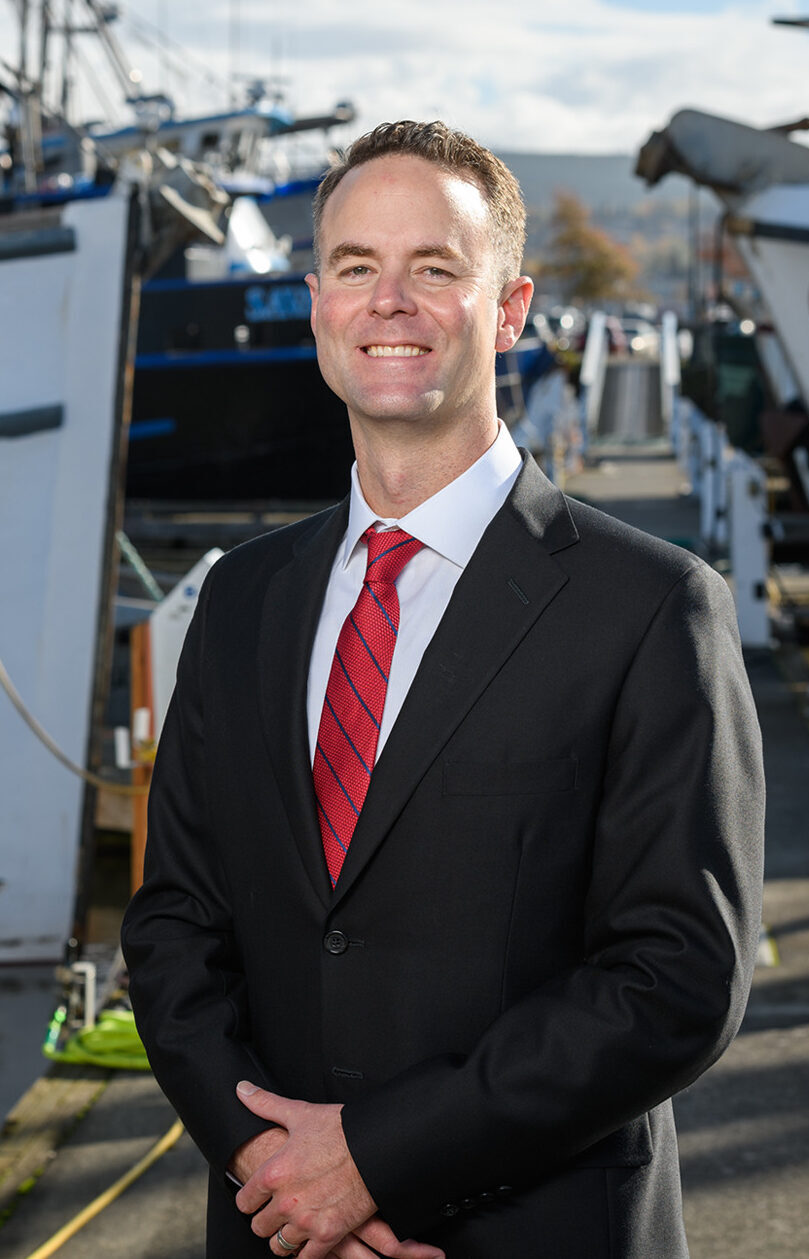
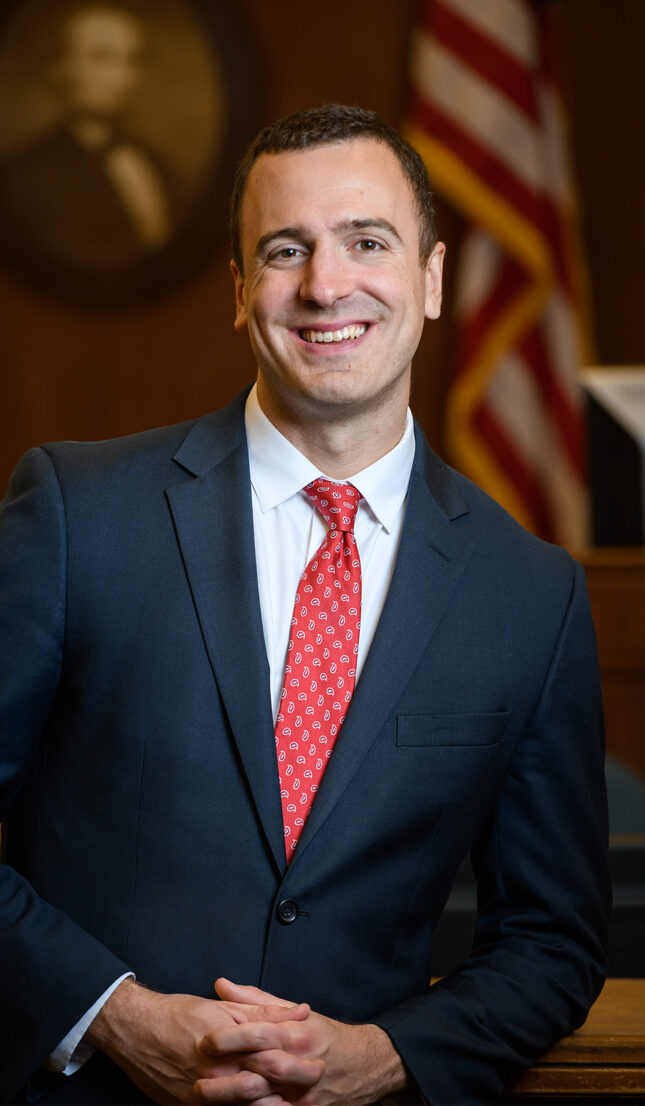
After a maritime injury, picking the right law firm is crucial. BoatLaw, LLP is comprised of attorneys Nick Neidzwski and Douglas Williams, who have committed their legal careers to the practice of maritime law. Our experience has shown us firsthand how crucial safety regulations are in maritime work and what happens when safety violations run rampant. Call us at 1-800-BOATLAW to talk about your case with our team now.
Inadequate Training
Workplace safety starts with a workforce of well-trained employees that have a thorough training program at their disposal. This is particularly true when you’re talking about the maritime industry, which is rife with dangers and potential injuries. Inadequate training is risky in any field, but it’s downright deadly for maritime workers. Maritime safety violation lawyers have seen far too many life-changing injuries that could have been prevented with a little bit of training.
Maritime employers have a legal obligation to ensure that staff members are properly trained. This training should include safety protocols and procedures that help maritime workers prevent and respond to the most common dangers they face in their work. Proper training doesn’t stop after an employee has started working independently; ongoing training is necessary to keep everyone vigilant.
Faulty Equipment
Maritime vessels, oil rigs, and shipping facilities are full of equipment that can kill you if it’s not used properly or maintained appropriately. In fact, faulty equipment contributes to a substantial amount of maritime accidents every single year. Broken safety harnesses, malfunctioning cranes, hydraulic system leaks, broken fire suppression systems, and worn-out gangways can all put workers in harm’s way. For example, a broken safety harness could snap when a worker is high up in the air, causing them to fall to their death. A malfunctioning fire suppression system could fail to work when an electrical fire starts, causing a fire that would otherwise have easily been controlled to run rampant on a ship. Vessel owners and employers are often liable in these situations, as they are expected to conduct regular inspections and do routine maintenance to keep equipment running smoothly.
Lack of Personal Protective Gear
Personal protective equipment is life-saving for maritime workers. Many of the cases handled by maritime safety violation law firms could have been avoided if victims had been granted access to proper safety gear. Helmets, gloves, life jackets, goggles, ear plugs, dust masks, and flame-resistant clothing can mean the difference between a near-miss, a minor injury, and a fatal injury.
It isn’t just a matter of having this equipment available and accessible. First, the equipment must be functional and not expired. Second, maritime workers must be required to use the equipment. When employers choose to look the other way when employees skip safety gear, they are knowingly allowing them to endanger themselves. Even worse, some employers encourage employees to pass on personal protective gear, believing that doing so saves time. A maritime safety violation law firm can help victims seek justice if they’ve been injured due to a lack of personal protective equipment.
Failure to Enforce Safety Protocols
Similar to employers that fail to require employees to use personal protective equipment, employers that do not enforce safety protocols roll the dice with their employees’ lives every day. For example, lockout/tagout protocols ensure that equipment is properly turned off before maintenance work begins. When employees skip this protocol, there’s a very real risk that they will eventually forget to turn the machine off before working on it, which can lead to severe or fatal injuries. Companies may also fail to enforce safety protocols involving hazardous materials, even though exposure to these materials can cause chemical burns or serious illness. In these scenarios, negligent employers may be held accountable by maritime safety violation attorneys.
Find Out How BoatLaw, LLP Can Help
Our team of maritime safety violation lawyers is committed to helping maritime workers like you find closure after serious injuries. Set up a time to talk about your injuries and legal options now—call us at 1-800-BOATLAW or reach out online.

Nicholas J. Neidzwski is a trial attorney who handles maritime and personal injury litigation. Appearing for plaintiffs in state and federal courts throughout Washington, California, Oregon, Alaska, and other jurisdictions. Nick’s litigation experience includes the successful resolution of various Jones Act, general maritime, and product liability cases on behalf of many different individuals. Nick was named a Rising Star annually by Super Lawyers from 2016 through 2025, and was named a Super Lawyer in 2026. Learn more here.